
Full Container Load (FCL) Shipping
Ideal when you need a full container or multiple units. We align equipment type, carrier, and cut-offs with document control.
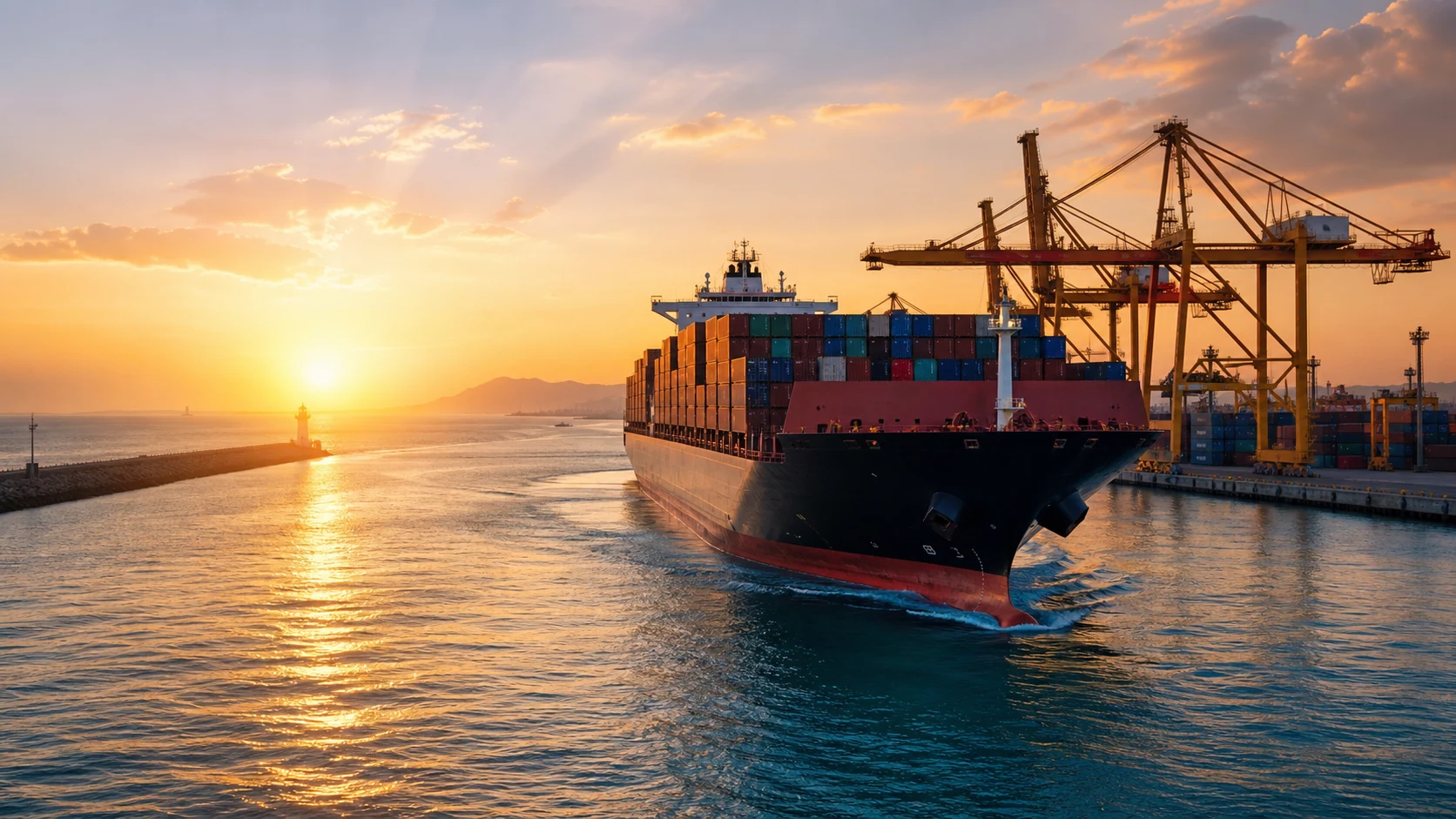
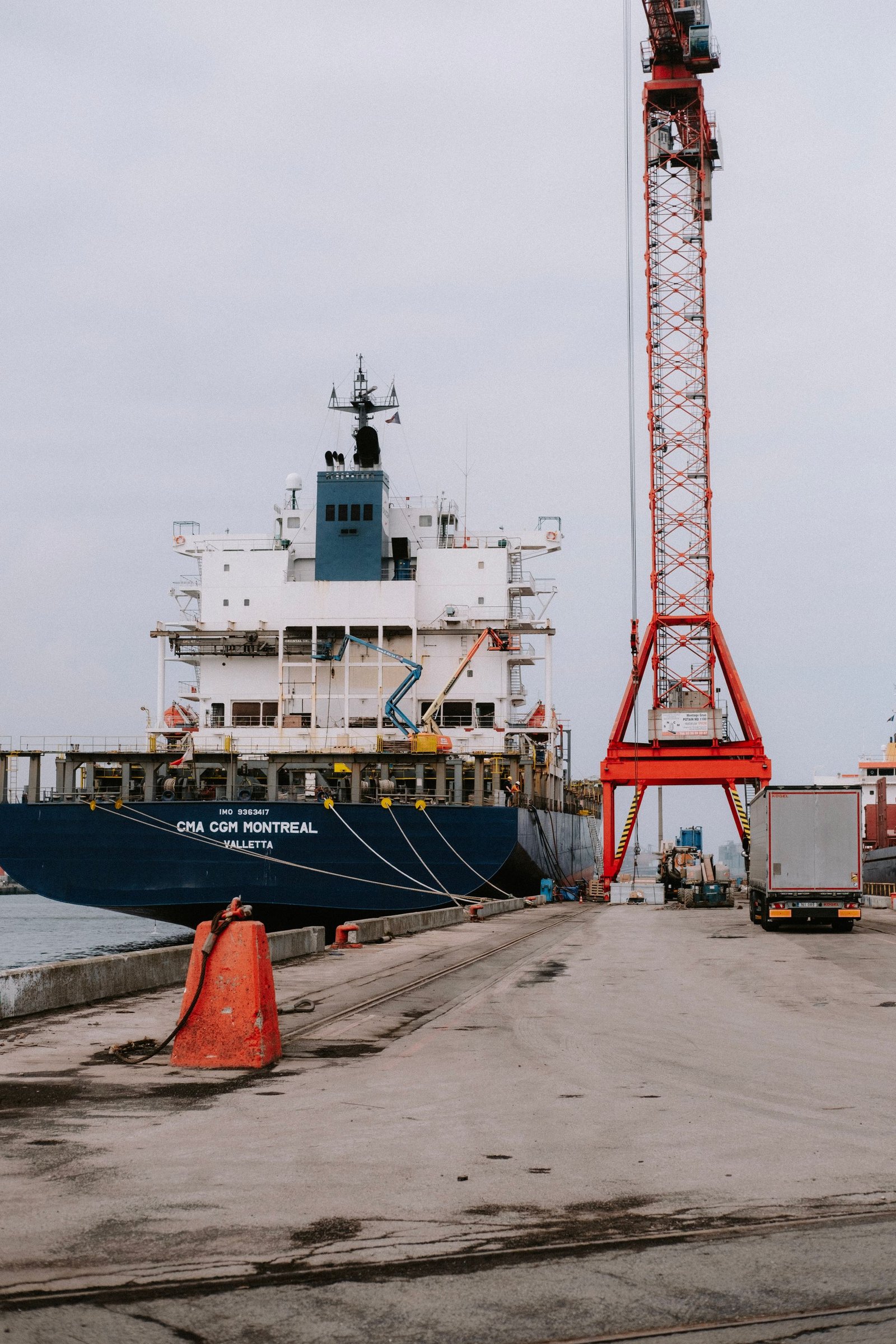
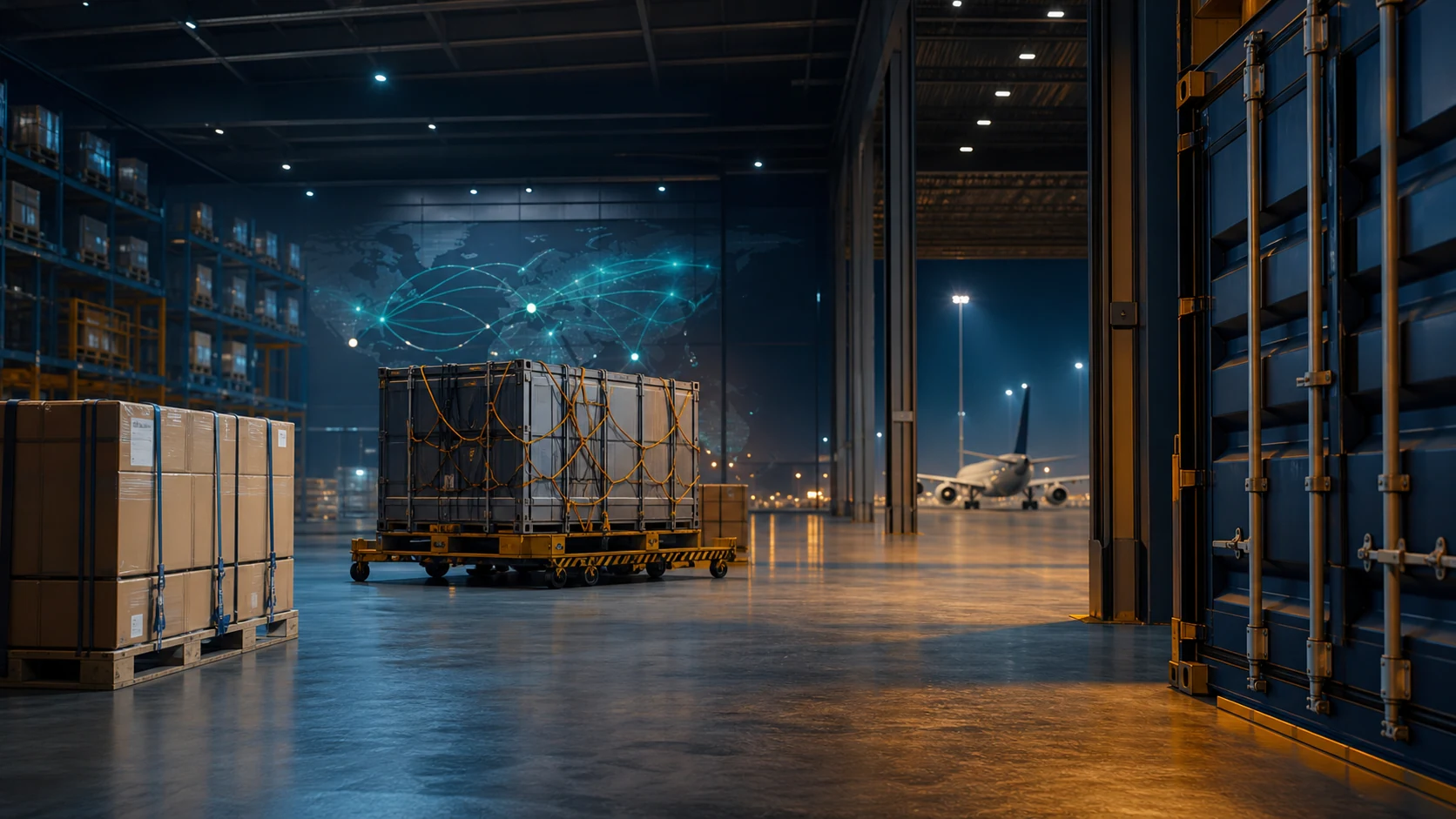
A closer look at the operating flow
Three scenes illustrate the movement and connections behind this service.
The service, item by item
Equipment selection for your cargo
Carrier space booking on trade lanes
ETD/ETA tracking and updates
Linking to clearance and port haulage
A clear path from first contact to close
Review lane and cargo profile
You receive a clear update at each milestone.
Select equipment and booking
You receive a clear update at each milestone.
Track documents and milestones
You receive a clear update at each milestone.
Connect port handling to inland delivery
You receive a clear update at each milestone.
Initial information and documents
- Commercial invoice and packing list
- Supplier and port details
- Container or LCL requirements
The final list depends on cargo, lane, and regulator; our team confirms it after reviewing the case.
When this service fits and what shapes the route
Best-fit scenarios
- Cargo that uses most container capacity or requires dedicated equipment.
- Recurring volumes and scheduled supply programs.
- Shipments needing clearer control over loading and delivery.
Planning and cost factors
- Equipment size: 20-foot, 40-foot, or High Cube.
- Gross weight, loading method, and site accessibility.
- Sailing schedules, cut-offs, and port free time.
Answers before you start
When is FCL better than LCL?
When volume approaches container capacity or the cargo benefits from dedicated equipment and fewer handling points.
How is container size selected?
Selection follows package count, dimensions, weight, loading method, and delivery-site constraints.