
Less Than Container Load (LCL)
Cost-effective option when cargo does not fill a container, with consolidation tracking through arrival.
A closer look at the operating flow
Three scenes illustrate the movement and connections behind this service.

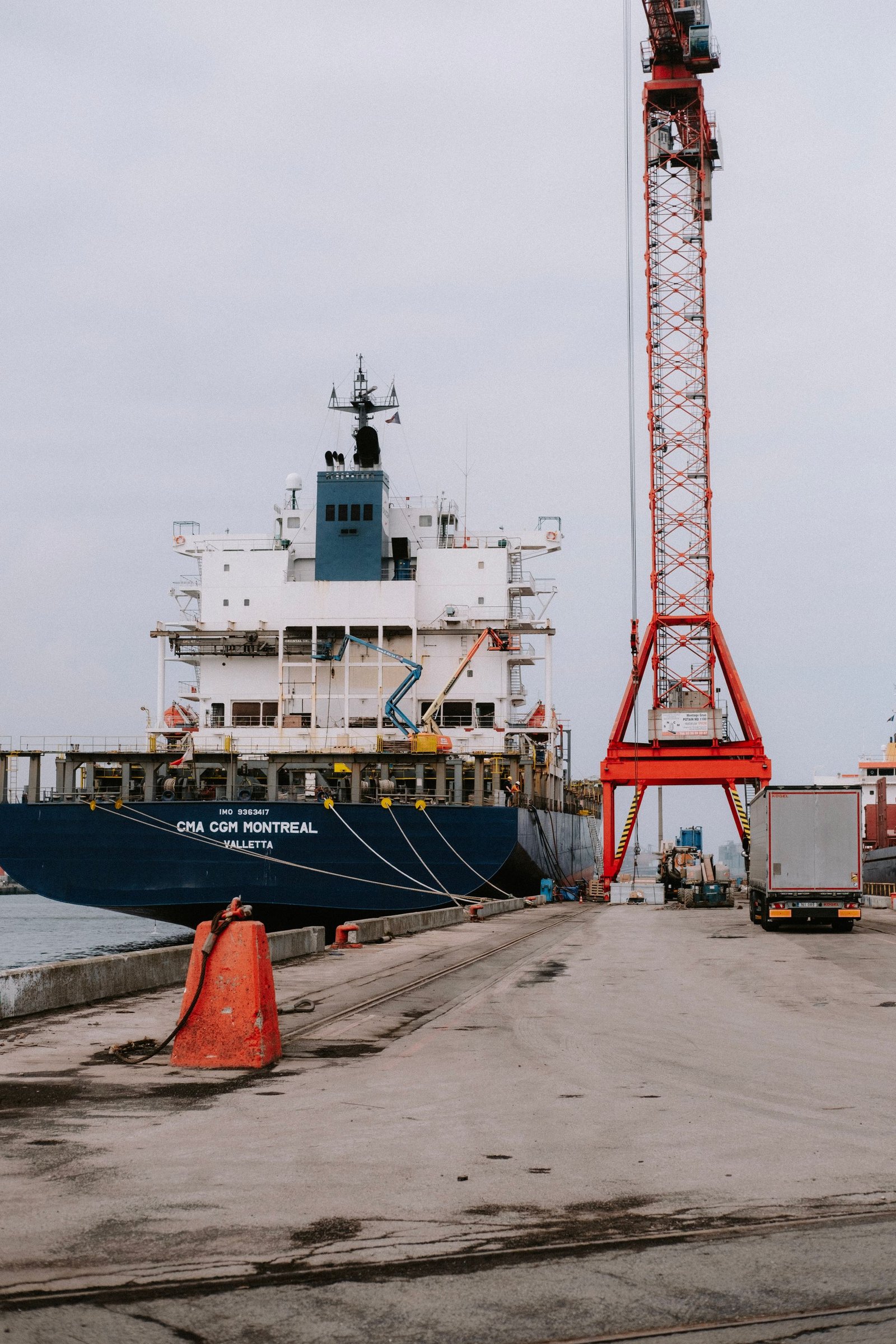

The service, item by item
Consolidation and deconsolidation coordination
Weight, volume, and charge monitoring
LCL linked to clearance and delivery
A clear path from first contact to close
Review lane and cargo profile
You receive a clear update at each milestone.
Select equipment and booking
You receive a clear update at each milestone.
Track documents and milestones
You receive a clear update at each milestone.
Connect port handling to inland delivery
You receive a clear update at each milestone.
Initial information and documents
- Commercial invoice and packing list
- Supplier and port details
- Container or LCL requirements
The final list depends on cargo, lane, and regulator; our team confirms it after reviewing the case.
When this service fits and what shapes the route
Best-fit scenarios
- Small and mid-sized commercial shipments below a full container.
- Trial supplier orders or recurring lower-volume cargo.
- Businesses comparing consolidation with a full container.
Planning and cost factors
- Chargeable volume and weight.
- Consolidation warehouse, cut-off, and deconsolidation timing.
- Origin and destination charges and handling stages.
Answers before you start
How is LCL priced?
Pricing typically follows chargeable volume or weight plus consolidation, origin, destination, and requested service charges.
Is LCL slower than FCL?
It can require extra consolidation and deconsolidation time, so sailing and warehouse cut-offs are reviewed before booking.